
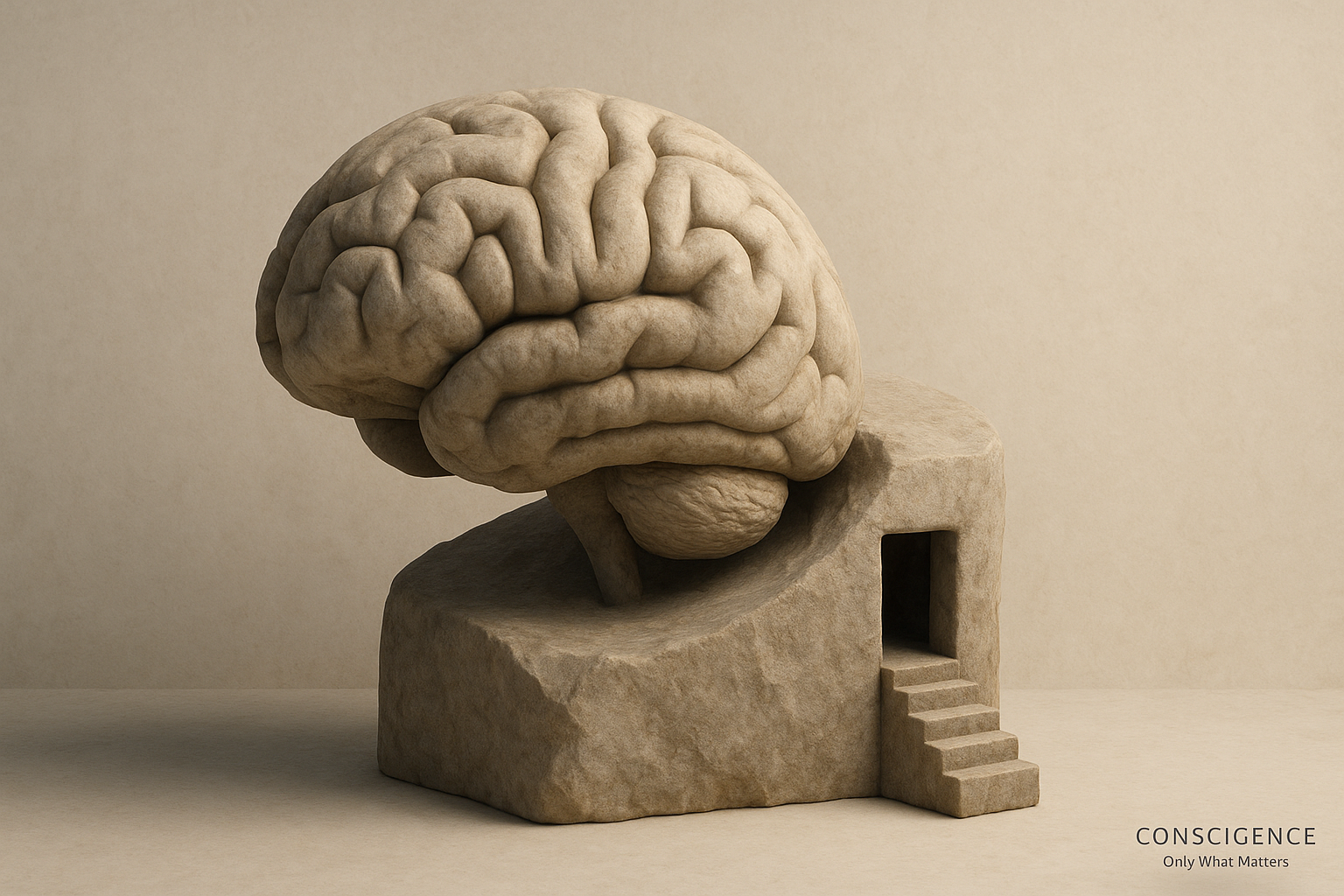
Most people assume habits are about willpower.
Research suggests they're much more about efficiency.
Your brain is constantly looking for ways to save energy.
If it had a favourite sentence, it would probably be:
'We've done this before. Let's not think about it again.'
Convenient.
Until it's not.
The Brain Likes Automation
The human brain consumes a surprising amount of energy.
To avoid making every decision from scratch, it gradually automates repeated behaviours.
Tie your shoes.
Brush your teeth.
Drive to work.
You don't consciously calculate every movement.
That mental effort has already been outsourced.
Which is wonderful...
Until unhealthy routines receive the same promotion.
Why Bad Habits Feel Easy
The brain doesn't carefully evaluate whether a habit is good or bad.
It mainly asks:
'Has this worked before?'
If eating chocolate reduced stress yesterday...
The brain remembers.
If checking your phone briefly relieved boredom...
The brain remembers.
Repeated enough times...
The behaviour becomes the default response.
Efficiency has no moral opinion.
Why New Habits Feel Awkward
New behaviours require attention.
Old behaviours require memory.
That's why starting something new often feels mentally tiring.
You're asking the brain to stop using an existing shortcut...
...and build a new road.
Construction takes time.
What This Means Practically
If you want a habit to last:
- Make it obvious.
- Make it easy to begin.
- Repeat it consistently.
- Attach it to something you already do.
The goal isn't to fight your brain.
It's to recruit it.
Conscigence Perspective
Perhaps discipline isn't about becoming mentally stronger.
Perhaps it's about becoming mentally familiar.
What feels difficult today often feels automatic tomorrow.
Not because you changed your personality.
Because your brain quietly updated its preferred route.

Discussion
0 voices in conversation